

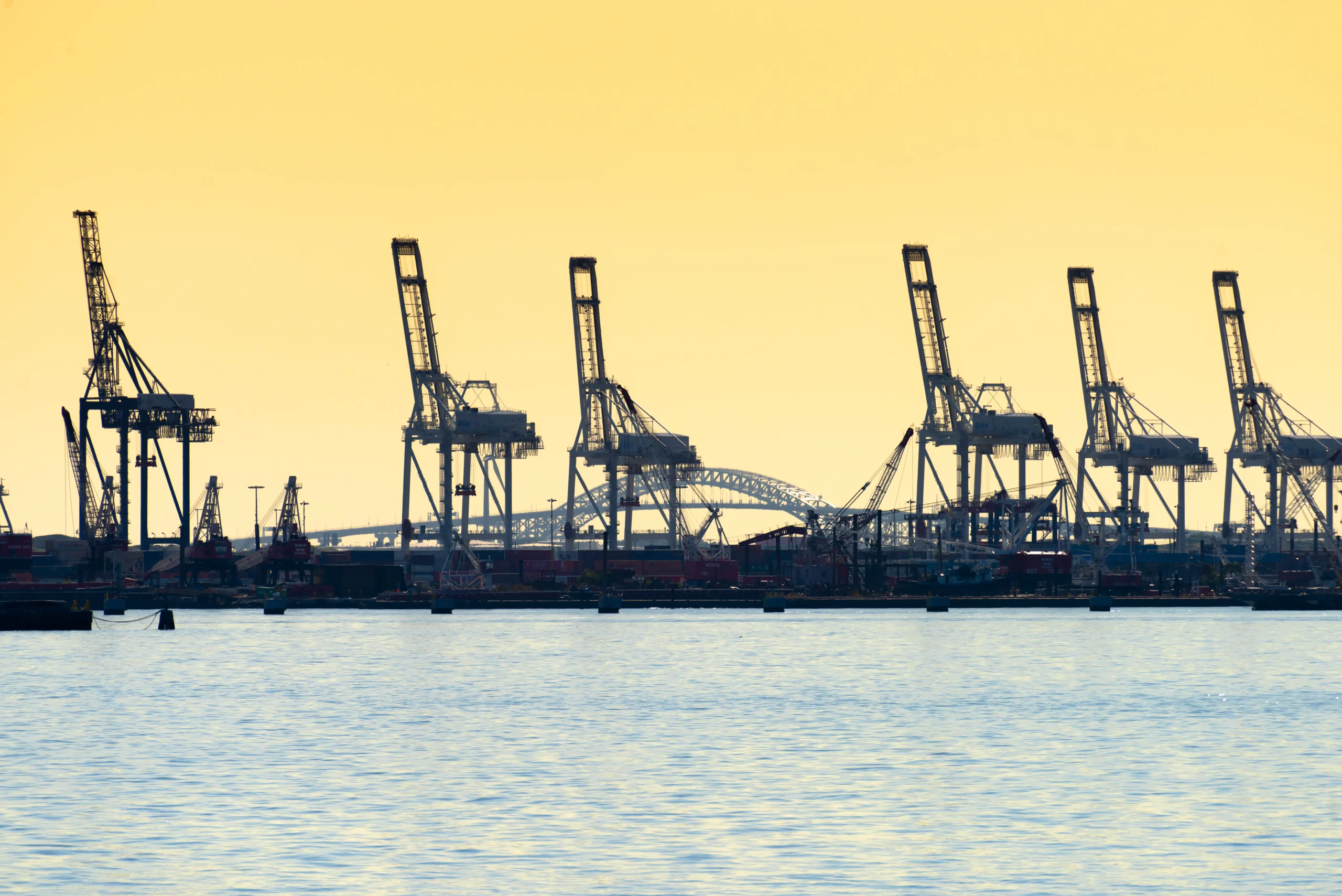
Offshore oil drilling is an intricate engineering undertaking that enables petroleum firms to tap into petroleum deposits that are found under the ocean floor. Most of the global oil deposits are located in offshore areas and thus marine drilling procedures form a significant aspect of the global energy sector.
The geological research and seismic surveys are the starting point of the process as they aid scientists in discovering the possible oil reservoirs under the seabed. After identification of a promising location, engineers come up with a drilling project and set up a drilling platform at the site. These platforms are massive constructions that are constructed to resist ocean waves, high winds and deep water conditions.
Offshore drilling platforms are of various types, which are deployed based on the depth of the water and the environment. The fixed platforms are cemented to the seabed and are mostly applied in the shallow waters. On the other hand, floating platforms are constructed in deep waters, and they are held in place using sophisticated anchoring mechanism.
Drilling the ocean entails burying a drill bit through the ocean water to the sub-sea layers of rock. The drilling is done in a continuous rotation and the special fluids are pumped to the well to cool the equipment and dislodge rock fragments. Deeper the drilling, the more the steel casing pipes that serve the purpose of stabilizing the wells.
After the drilling goes to an oil reservoir, the well is set to be produced. The oil is extracted into the surface by the pipes that are attached to the platform. The crude oil is then transported to the onshore processing plants and refineries through pipelines or tanker ships.
Offshore drilling is a risky endeavor that is concerned with safety. Platforms have a system of monitoring, emergency shutdown facilities and special safety operations that are implemented in order to avoid accidents and to ensure the protection of marine environments.
Offshore drilling is also majorly concerned with environmental protection measures. Businesses observe stringent policies to reduce pollution and safeguard marine animals and responsible extraction of resources.tive fatigue and emotional restlessness over time.
Slow entertainment offers an alternative approach. Activities such as reading, nature observation, listening to gentle music, or engaging in thoughtful conversation allow the mind to operate at a comfortable pace. These experiences create a soothing mental rhythm that supports relaxation and emotional balance.
One of the key benefits of slow entertainment is improved attention span. By reducing constant stimulation, the mind regains its natural ability to focus deeply. This strengthens cognitive endurance and enhances productivity in daily tasks.
Slow entertainment also reduces emotional reactivity. Fast stimulation often triggers impulsive responses, whereas calm engagement encourages reflection and thoughtful decision-making. This shift supports emotional stability and reduces stress.
Another advantage is enhanced sensory awareness. Slow entertainment encourages individuals to fully experience the present moment. This mindfulness reduces anxiety related to past or future concerns, fostering a sense of peace and contentment.
Social slow entertainment further strengthens emotional well-being. Shared activities such as relaxed conversations or leisurely walks create meaningful connections and reduce feelings of isolation.
Mental recreation awareness emphasizes intentional choice in adopting slow entertainment habits. Limiting exposure to overstimulating content and consciously selecting calming activities ensures sustainable emotional benefits.
Ultimately, slow entertainment supports mental calmness by restoring natural cognitive rhythms. By integrating slower forms of recreation into daily life, individuals protect emotional stability, improve focus, and cultivate long-term psychological well-being.